Squats, deadlifts, and hip hinges are the weight-bearing exercises that stimulate bone density growth. Apps that offer only machine-based isolation work or cardio circuits are, for this demographic, the wrong tool for the job. Imagine a lifter following 5/3/1 (a percentage-based powerlifting framework built around four key lifts). They open Hevy after each session, log their sets, and within eight weeks, Hevy’s graphs show their bench press has climbed 15 lbs — visual proof that progressive overload is working.
Key Features to Look for in a Gym App
The key appears to be the release of brain chemicals such as serotonin and dopamine, which help lift mood and combat stress. It’s best to stretch after you have warmed up for a few minutes, or perform stretching exercises after you completed your workout. When stretching each muscle group, take it slow and steady, release, repeat again. Balance exercises call on the various systems that help you stay upright and oriented, such as those of the inner ear, vision, and muscles and joints. Tai chi and yoga are great forms of balance exercises that can help you avoid falls and stay independent well into your senior years. Stretching exercises keep your muscles and tendons flexible, preserve your posture, and improve mobility, especially as you age.
The interface is data-dense, which may feel slightly dated but is highly effective for serious lifters. When embarking on a strength training regimen with the aid of an app, the necessity for special equipment largely depends on the user’s specific fitness goals and the app’s design. Many of the best strength training apps in 2025 are crafted to accommodate a range of environments, from fully-equipped gyms to minimalistic home setups. Users can often select workouts that utilize body weight, resistance bands, or free weights, providing flexibility and convenience for strength training without the need for extensive equipment.
Best AI Weightlifting App: Fitbod

JuggernautAI earned high scores in nearly every category outside of workout variety and interactive features. Even if you opt for the Pro version, Boostcamp is still more affordable than the average workout app. Yes, at $14.99 per month, this app is far from the most expensive on this list, but you also don’t get a lot of bells and whistles. A fitness app for beginners wouldn’t be worth its weight in gigabytes if it were a nightmare to use. According to our tester, though, Muscle Booster is sharp and intuitive, despite having plenty of options to get lost in. Kate has nearly two decades of experience working in both the fitness and content industries.
- However, a drawback is that its advanced analytics, like muscle recovery mapping and detailed progress charts, are locked behind the Caliber Plus subscription.
- It doesn’t get better than this, except for being with an in-person trainer.
- Great for all levels, it starts where you are and guides you forward, adapting to your progress.
- Emerging strength training technology trends include AI-driven personalization, virtual reality workouts, and wearable resistance devices for enhanced training precision.
- By considering these tips, you can ensure you’re selecting the best free weightlifting app to help you reach your fitness goals.
- You’ll benefit if you’ve experienced injuries from traditional training methods, prefer methodical progression over intense workouts, and value expert guidance from physical therapy professionals.
Types of Workouts You Can Access for Free
In terms of cost, there’s the $15 monthly iFIT Train plan and the $39 monthly iFIT Pro plan. The biggest difference here is that the Train tier lets you create your own workouts and is available on equipment touchscreens. This helps the app earn a 4 out of 5 from our tester in the value category. While BetterMe is more affordable than the average workout app, it doesn’t have quite as many strength-training plans.
Specifications
Additionally, Hevy provides basic metric tracking, although most measurements are only available in the Pro version of the app. However, you don’t really get a true “trial period” like you’d find with other platforms. Fitbod is our top pick for an AI-based weightlifting app because it delivers the most usable form of day-to-day personalization. The setup process is a breeze, earning a perfect score of 5 out of 5 from our tester, Senior Staff Writer Caine Wilkes,OLY, CNC, USAW-L1. If you’re looking for personalized coaching from a pro, you could also consider Future, which costs the same as the premium version of Caliber.
Log Workouts
The Elite membership costs $12.99 monthly or $69.99 annually, removing advertisements while unlocking advanced analytics, custom exercise creation, and premium program access. Evlo Fitness operates as a specialized training platform where physical therapists create and teach strength-focused classes that incorporate Pilates principles, slow tempo lifting, and controlled movements. The app provides on-demand workout videos ranging from 20 to 45 minutes with detailed cueing about proper form and breathing patterns. You follow programs structured around gentle consistency rather than extreme intensity, making each session challenging yet sustainable for long-term adherence.
Q: What’s the best free gym app for beginners?
This guide delves into the best apps for strength training of 2025, spotlighting those that excel in enhancing exercise regimens and bolstering endurance. Readers will uncover the pivotal madmuscle features that set these apps apart, including real-time adjustments and comprehensive analytics. For those grappling with stagnant routines or plateaued progress, this article promises solutions. Engage with this content to navigate the landscape of strength training apps and visit StrengthLab360 to transform your fitness journey.
Best Free Strength Training Apps for Longevity
Frieda Johnson studied Rhetoric & Composition at Boise State University where she rediscovered her passion for the written word; as a lifelong voracious reader, this surprised no one but her. She has extensive experience with dietary supplements and nutrition in particular. Some of her past experience includes working with the development team during the creation of a supplement brand, and working with regulatory compliance for product labels over the span of several years. When not editing, Frieda enjoys reading, most outdoor activities, and long-winded discussions about punctuation. She currently lives in Michigan with her husband, daughter, and blind rescue dog.
Progress Tracking and Analytics
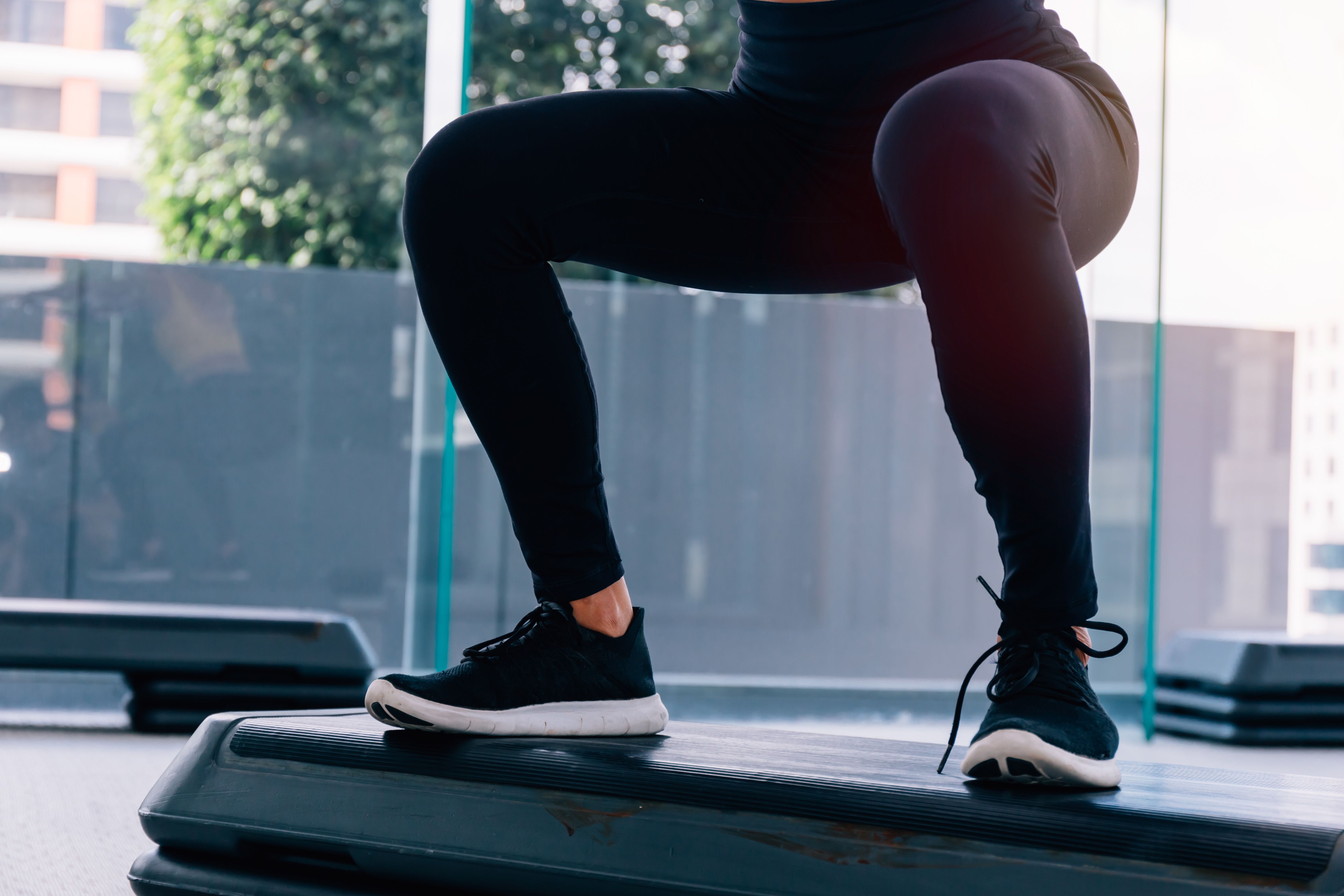
That’s a lot of information for each exercise, leading us to rate the instruction a 5 out of 5. It’s a blend of technology and training expertise, making it a top pick for anyone serious about gains. It’s like having a coach in your app, using AI to tailor workouts to your needs. Great for all levels, it starts where you are and guides you forward, adapting to your progress. Android users have full access to all seven apps on this list — Hevy, Strong, Fitbod, Caliber, JuggernautAI, WeGLOW, and Nike Training Club are all available on the Google Play Store.
Best strength training app for the gym
Many workout apps now offer programs that use only bodyweight exercises, making it easy to work out with no equipment. Others focus more on strength training with weights, including dumbbells, kettlebells, or gym machines. Some apps offer cardio sessions that can be done on any equipment, while others, like Peloton, connect with their own machines to provide more detailed metrics and insights.